
Understanding 3PE Steel Pipes for Underground Pipeline Applications
Feb 04,2026
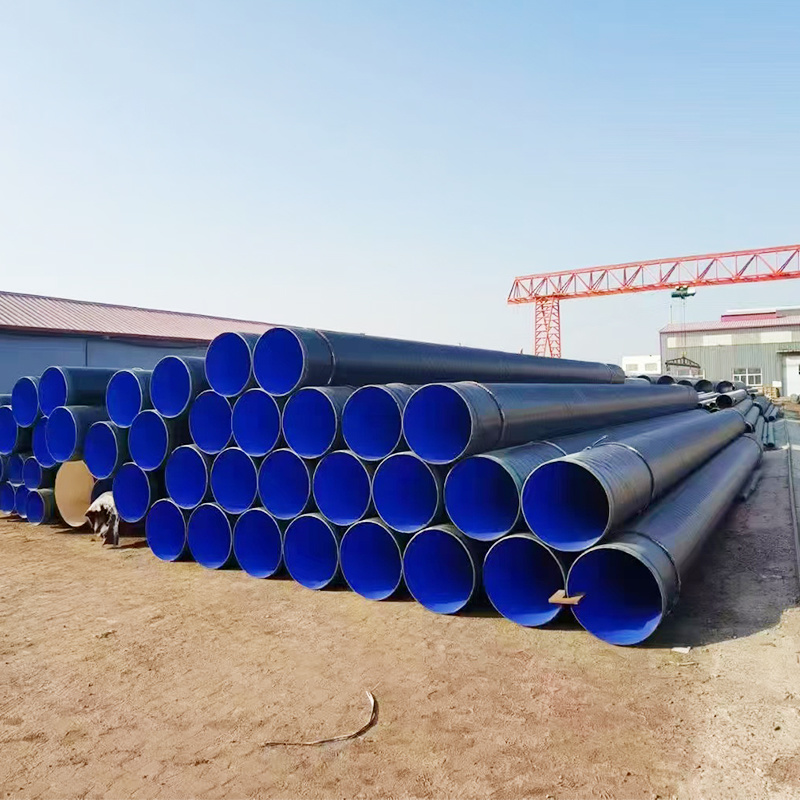
One of the primary benefits of 3PE steel pipes is their exceptional corrosion resistance. The polyethylene layers effectively shield the steel core from aggressive environmental conditions, including moisture, soil chemicals, and other corrosive agents typically found underground. This resistance not only extends the lifespan of the pipeline but also reduces maintenance costs associated with repairs and replacements.
In addition to corrosion resistance, 3PE steel pipes offer excellent mechanical strength. The steel core provides structural integrity, allowing these pipes to withstand significant external pressures, such as soil loads and other environmental forces. This durability is critical in underground applications where pipes may be subject to shifting soil and other pressures that could compromise weaker materials.
Another significant advantage of using 3PE steel pipes is their ease of installation. The lightweight design, combined with the strength of the steel, allows for straightforward handling and installation processes. Moreover, the flexibility of the polyethylene layers can accommodate slight movements in the ground without compromising the integrity of the pipe. This feature is particularly beneficial in areas prone to seismic activity or ground settling.
Furthermore, 3PE steel pipes are designed to meet various industry standards and regulations, ensuring that they are suitable for a wide range of applications, including water supply, gas distribution, and wastewater management systems. Their versatility makes them a smart choice for construction professionals looking to implement reliable and efficient pipeline solutions.
In summary, when considering materials for underground pipeline projects, 3PE steel pipes stand out due to their durable construction, superior corrosion resistance, mechanical strength, and ease of installation. As the demand for reliable infrastructure continues to grow, understanding the benefits and applications of 3PE steel pipes can empower professionals in the construction and decorative materials industry to make informed decisions that enhance the longevity and efficiency of their projects.
TAG:
Related Posts

Understanding Plastic-Coated Steel Pipes for Efficient Sewage Systems







Address
Wuliyao Industrial Zone, Yanshan County, Cangzhou City, Hebei Province, China