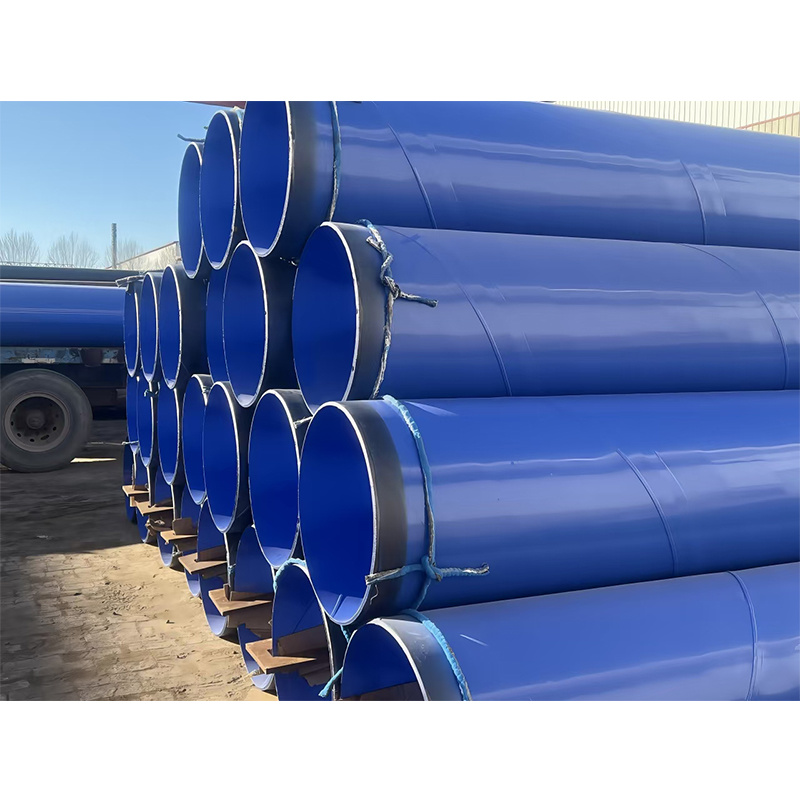
Understanding 3PE Steel Pipes for Efficient Water Transmission
Feb 10,2026
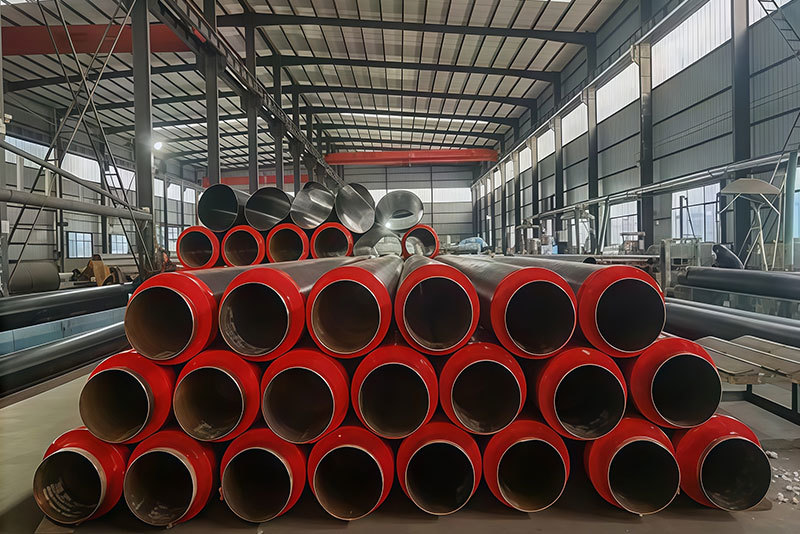
In the construction and piping industry, the efficiency and reliability of water transmission systems are paramount. One of the prominent materials used in these systems is the 3PE steel pipe. The term "3PE" refers to a three-layer polyethylene coating, a technology designed to enhance the durability and performance of steel pipes.
The first layer of the 3PE coating is composed of fusion-bonded ep
In the construction and piping industry, the efficiency and reliability of water transmission systems are paramount. One of the prominent materials used in these systems is the 3PE steel pipe. The term "3PE" refers to a three-layer polyethylene coating, a technology designed to enhance the durability and performance of steel pipes.
The first layer of the 3PE coating is composed of fusion-bonded epoxy, which creates a strong bond to the steel surface. This layer is crucial as it serves as a protective barrier against corrosion, especially in environments where moisture and soil chemicals can accelerate degradation. The second layer is a polyethylene layer that acts as an additional shield, providing mechanical protection. Finally, the third layer is a topcoat of adhesive that ensures the other two layers remain securely bonded, offering a comprehensive defense against external elements.
One of the most notable benefits of using 3PE steel pipes for water transmission is their exceptional corrosion resistance. Water transmission systems are often exposed to various environmental conditions that can lead to rust and deterioration. The 3PE coating significantly extends the lifespan of pipes, reducing maintenance costs and ensuring a consistent water supply.
Furthermore, 3PE steel pipes are known for their mechanical strength and flexibility. They can withstand high-pressure conditions and are suitable for various applications, including municipal water supply systems, irrigation projects, and industrial water transmission. This versatility makes them an attractive option for construction professionals seeking reliable materials for their projects.
Another critical aspect to consider when utilizing 3PE steel pipes is their installation process. While the initial setup may require a thorough understanding of piping systems and appropriate safety measures, the long-term benefits far outweigh the initial investment. Properly installed 3PE pipes can lead to efficient water flow and minimized leakage, maximizing the effectiveness of water distribution networks.
In conclusion, 3PE steel pipes stand out as a vital component in water transmission infrastructure within the construction industry. Their advanced protective coating, combined with robust structural integrity, makes them an ideal choice for projects demanding reliability and longevity. As professionals in the field seek to enhance the performance of their water transmission systems, understanding the advantages of 3PE steel pipes becomes essential for successful project outcomes.
The first layer of the 3PE coating is composed of fusion-bonded epoxy, which creates a strong bond to the steel surface. This layer is crucial as it serves as a protective barrier against corrosion, especially in environments where moisture and soil chemicals can accelerate degradation. The second layer is a polyethylene layer that acts as an additional shield, providing mechanical protection. Finally, the third layer is a topcoat of adhesive that ensures the other two layers remain securely bonded, offering a comprehensive defense against external elements.
One of the most notable benefits of using 3PE steel pipes for water transmission is their exceptional corrosion resistance. Water transmission systems are often exposed to various environmental conditions that can lead to rust and deterioration. The 3PE coating significantly extends the lifespan of pipes, reducing maintenance costs and ensuring a consistent water supply.
Furthermore, 3PE steel pipes are known for their mechanical strength and flexibility. They can withstand high-pressure conditions and are suitable for various applications, including municipal water supply systems, irrigation projects, and industrial water transmission. This versatility makes them an attractive option for construction professionals seeking reliable materials for their projects.
Another critical aspect to consider when utilizing 3PE steel pipes is their installation process. While the initial setup may require a thorough understanding of piping systems and appropriate safety measures, the long-term benefits far outweigh the initial investment. Properly installed 3PE pipes can lead to efficient water flow and minimized leakage, maximizing the effectiveness of water distribution networks.
In conclusion, 3PE steel pipes stand out as a vital component in water transmission infrastructure within the construction industry. Their advanced protective coating, combined with robust structural integrity, makes them an ideal choice for projects demanding reliability and longevity. As professionals in the field seek to enhance the performance of their water transmission systems, understanding the advantages of 3PE steel pipes becomes essential for successful project outcomes.
TAG:
Related Posts
Understanding Plastic-Coated Steel Pipes for Efficient Sewage Systems
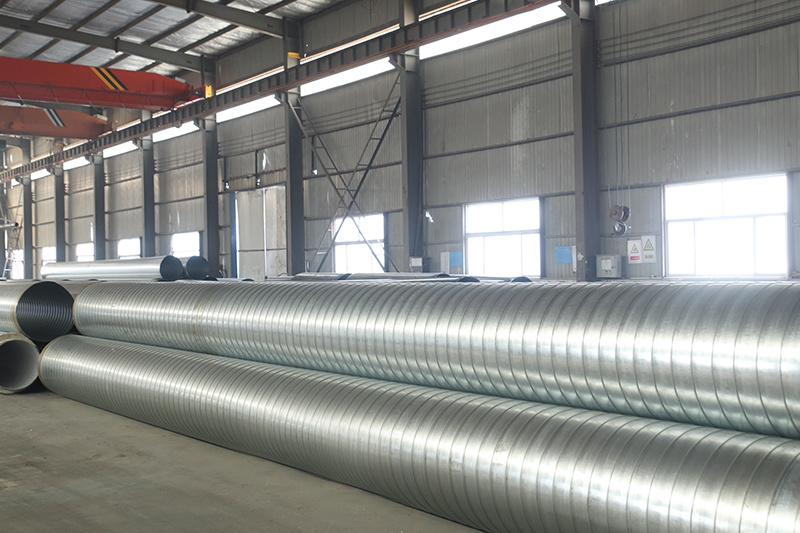
Plastic-coated steel pipes have gained significant attention in the construction industry, particularly in the context of sewage systems. These pipes combine the inherent strength of steel with the protective qualities of plastic, making them an excellent choice for various applications in building and decorating materials.
One of the primary advantages of using plastic-coated steel pipes in sewag