
The Benefits of Using 3PE Steel Pipes in Gas Infrastructure: A Comprehensive Overview
Feb 13,2026
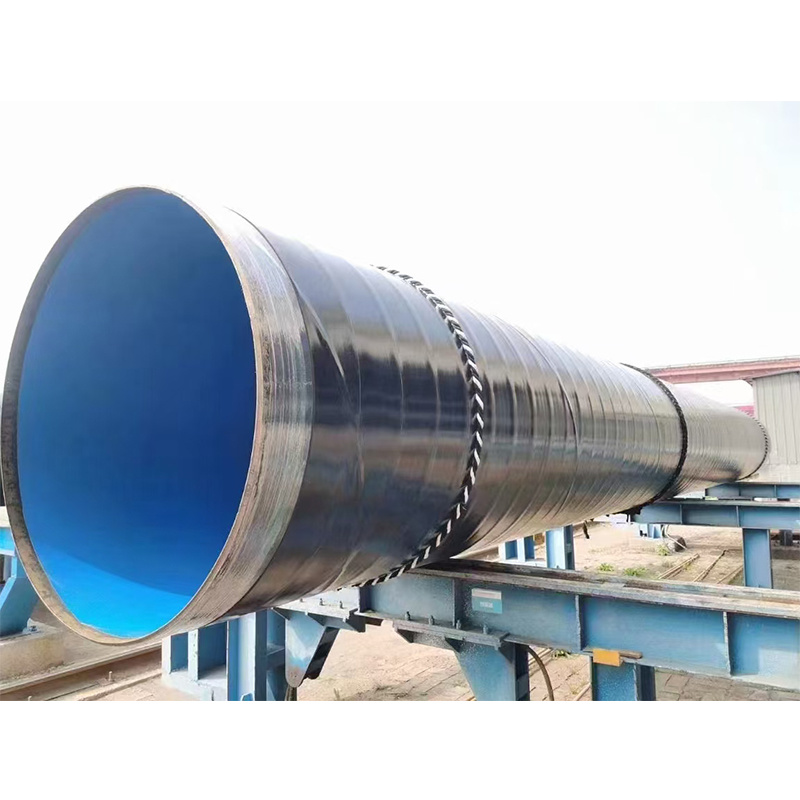
The Benefits of Using 3PE Steel Pipes in Gas Infrastructure
Table of Contents
- Introduction to 3PE Steel Pipes
- What is 3PE Coating?
- Advantages of 3PE Steel Pipes in Gas Infrastructure
- Exceptional Corrosion Resistance
- Durability and Longevity
- Cost-Effectiveness of 3PE Steel Pipes
- Environmental Impact of 3PE Steel Pipes
- Applications of 3PE Steel Pipes in Gas Infrastructure
- Installation and Maintenance Considerations
- The Future of 3PE Steel Pipes in Gas Infrastructure
- Conclusion
- FAQs about 3PE Steel Pipes
Introduction to 3PE Steel Pipes
3PE steel pipes, or three-layer polyethylene coated steel pipes, have emerged as a vital component in modern gas infrastructure. These pipes are designed to provide excellent protection against various environmental factors, ensuring a reliable and efficient gas distribution network. As the demand for safe and effective gas transportation grows, understanding the benefits of 3PE steel pipes becomes increasingly essential.
What is 3PE Coating?
3PE coating is a specialized protective layer applied to steel pipes to enhance their performance in demanding environments. This coating consists of three distinct layers:
1. **Epoxy Primer**: The first layer is an epoxy primer that adheres to the steel surface, providing an initial barrier against corrosion.
2. **Polyethylene Layer**: The second layer is a thick, high-density polyethylene (HDPE) layer that serves as the primary protective barrier, preventing moisture and other corrosive elements from reaching the steel.
3. **Outer Polyethylene Layer**: The final layer is another polyethylene coating that adds further durability and resistance to mechanical damage.
The combination of these layers results in a robust and reliable product that significantly extends the lifespan of the pipes while minimizing maintenance needs.
Advantages of 3PE Steel Pipes in Gas Infrastructure
The following sections explore the key advantages of using 3PE steel pipes in gas infrastructure, highlighting their importance in modern construction and maintenance practices.
Exceptional Corrosion Resistance
One of the most compelling benefits of 3PE steel pipes is their exceptional resistance to corrosion. Corrosion is a significant concern for any gas infrastructure, as it can lead to leaks and catastrophic failures. The three-layer coating effectively protects the steel pipes from moisture, soil corrosion, and other environmental factors that contribute to degradation.
This superior corrosion resistance not only enhances the longevity of the pipes but also reduces the need for frequent inspections and repairs. In turn, this leads to lower operational costs and enhanced safety for gas distribution systems.
Durability and Longevity
3PE steel pipes are designed to withstand harsh conditions, making them ideal for gas infrastructure applications. Their robust construction ensures that they can endure high pressure and temperature variations without compromising their integrity. This durability translates to a longer service life, often exceeding 50 years, further enhancing the return on investment for infrastructure projects.
Additionally, the resilience of 3PE steel pipes means they can be installed in various environments, including rural areas, urban landscapes, and even underwater applications, without fear of rapid deterioration.
Cost-Effectiveness of 3PE Steel Pipes
While the initial investment in 3PE steel pipes may be higher than traditional piping materials, the long-term savings they provide make them a cost-effective choice. The reduced maintenance requirements, coupled with the extended lifespan, ensure that operators reap significant financial benefits over time.
Moreover, fewer repairs and replacements lead to reduced labor costs and minimized downtime, enhancing overall productivity in gas infrastructure projects. This makes 3PE steel pipes an appealing option for both public and private sector gas providers.
Environmental Impact of 3PE Steel Pipes
As the world becomes increasingly aware of environmental issues, the choice of materials in construction projects has never been more critical. 3PE steel pipes are not only durable but also environmentally friendly. The polyethylene coating is recyclable, and the extended lifespan reduces the need for frequent replacements, ultimately minimizing waste.
Furthermore, the enhanced efficiency of gas transport provided by these pipes can lead to reduced greenhouse gas emissions, contributing to a more sustainable energy infrastructure.
Applications of 3PE Steel Pipes in Gas Infrastructure
3PE steel pipes are versatile and suitable for various applications within gas infrastructure. Some of the most common uses include:
- **Natural Gas Distribution**: The primary application of 3PE steel pipes is in natural gas distribution networks. Their resilience and corrosion resistance make them ideal for underground installations.
- **Gas Transmission Lines**: In high-pressure gas transmission systems, 3PE pipes provide the reliability needed to transport gas over long distances.
- **Industrial Applications**: Industries relying on gas for production processes often utilize 3PE steel pipes for their durability and efficiency.
- **Residential Installations**: In residential areas, these pipes ensure a safe and reliable supply of gas to homes.
Installation and Maintenance Considerations
When installing 3PE steel pipes, certain best practices should be followed to ensure optimal performance and longevity:
- **Proper Handling**: Care should be taken during transportation and installation to avoid damaging the coating.
- **Trenching and Backfilling**: Proper trenching techniques minimize the risk of mechanical damage during installation, while adequate backfilling prevents future corrosion.
- **Regular Inspections**: Although 3PE pipes require less maintenance, periodic inspections can help identify potential issues before they escalate.
By adhering to these guidelines, operators can maximize the benefits of 3PE steel pipes and ensure a reliable gas distribution system.
The Future of 3PE Steel Pipes in Gas Infrastructure
The demand for energy-efficient and sustainable solutions in gas infrastructure is expected to grow in the coming years. As such, the use of 3PE steel pipes will likely become even more prevalent. Innovations in coating technology and advancements in materials science will continue to enhance the performance and applicability of these pipes.
Furthermore, as countries transition towards greener energy solutions, the need for reliable and efficient gas infrastructure will remain a priority. 3PE steel pipes will play a crucial role in achieving these goals.
Conclusion
In summary, 3PE steel pipes are indispensable in modern gas infrastructure, offering a combination of durability, corrosion resistance, and cost-effectiveness. Their unique three-layer coating provides exceptional protection against environmental factors, making them a reliable choice for various applications. By investing in 3PE steel pipes, operators can ensure a safe, efficient, and sustainable gas distribution network for years to come.
FAQs about 3PE Steel Pipes
**1. What are the primary benefits of using 3PE steel pipes?**
3PE steel pipes offer exceptional corrosion resistance, durability, cost-effectiveness, and minimal environmental impact, making them ideal for gas infrastructure.
**2. How long do 3PE steel pipes last?**
With proper installation and maintenance, 3PE steel pipes can last over 50 years.
**3. Are 3PE steel pipes suitable for high-pressure gas applications?**
Yes, 3PE steel pipes are designed to withstand high pressure and temperature variations, making them suitable for gas transmission lines.
**4. How do I maintain 3PE steel pipes?**
Regular inspections should be conducted to identify potential issues, while proper handling during installation can minimize damage to the coating.
**5. Can 3PE steel pipes be recycled?**
Yes, the polyethylene coating is recyclable, contributing to a more sustainable approach in gas infrastructure development.
TAG:
Related Posts

Understanding Plastic-Coated Steel Pipes for Efficient Sewage Systems







Address
Wuliyao Industrial Zone, Yanshan County, Cangzhou City, Hebei Province, China