Understanding the Benefits of Plastic-Coated Steel Pipe for Electrical Conduits
Feb 28,2026
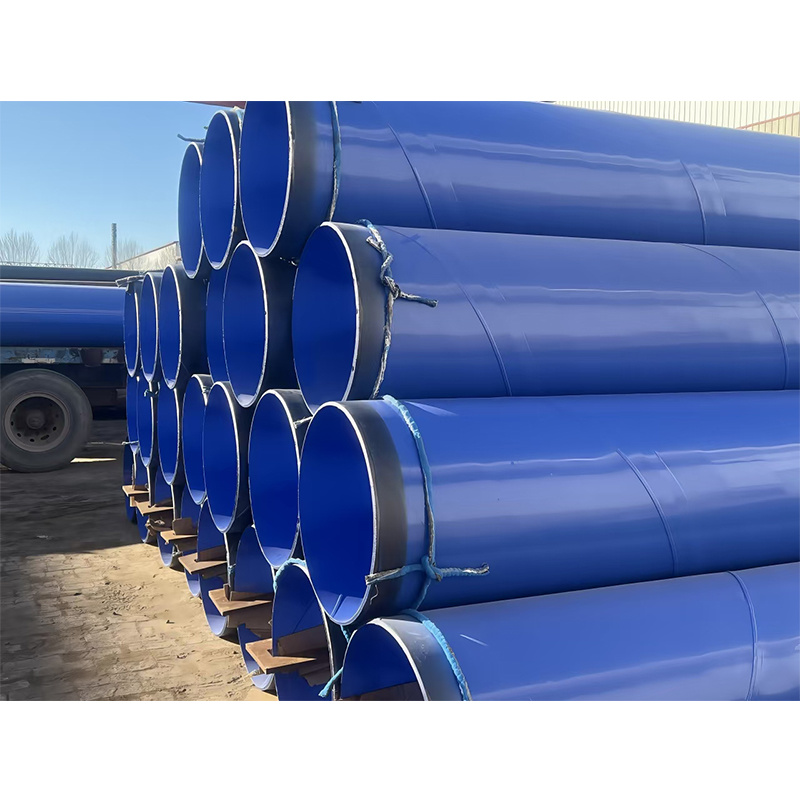
Plastic-coated steel pipes have become an increasingly popular choice for electrical conduits in the construction and decor materials industry. These pipes combine the strength of steel with the protective features of plastic coatings, creating a product that is not only durable but also versatile and safe for electrical applications.
One of the key benefits of plastic-coated steel pipes is their
Plastic-coated steel pipes have become an increasingly popular choice for electrical conduits in the construction and decor materials industry. These pipes combine the strength of steel with the protective features of plastic coatings, creating a product that is not only durable but also versatile and safe for electrical applications.
One of the key benefits of plastic-coated steel pipes is their enhanced corrosion resistance. In many construction environments, exposure to moisture and various chemicals can lead to rust and deterioration in traditional steel pipes. The plastic coating acts as a barrier, effectively preventing corrosion and extending the lifespan of the conduit. This is particularly important in areas that are prone to humidity or in industrial settings where chemical exposure is common.
Moreover, plastic-coated steel pipes are known for their excellent electrical insulation properties. The plastic layer effectively insulates the steel, minimizing the risk of electrical shorts and enhancing safety during installation and use. This feature is crucial for electricians and contractors who need to ensure that their projects meet safety standards while providing reliable performance.
Another advantage is the ease of installation. Plastic-coated steel pipes are generally lighter than their non-coated counterparts, making them easier to handle and install. Additionally, the smooth surface of the plastic coating reduces friction, allowing for easier pulling of wires through the conduits. This can lead to significant time savings during installation, making it a cost-effective choice for contractors.
From a design perspective, plastic-coated steel pipes can also be aesthetically pleasing. They are available in various colors, allowing for customization to match building designs and applications. This flexibility can be beneficial for architects and designers who are looking to enhance the visual appeal of their projects without compromising safety or functionality.
When considering plastic-coated steel pipes for electrical conduits, it is essential to keep in mind the specific requirements of the project. Factors such as the expected load, environmental conditions, and building codes will play a significant role in determining the most suitable type of conduit. Working with reputable suppliers and engineers can ensure that the right choices are made for optimal performance.
In conclusion, plastic-coated steel pipes for electrical conduits offer numerous advantages, including corrosion resistance, electrical insulation, ease of installation, and aesthetic appeal. For professionals in the building and decoration materials industry, understanding these benefits can lead to better decision-making and improved project outcomes. Proper selection of materials is crucial for ensuring safety, reliability, and longevity in electrical installations.
One of the key benefits of plastic-coated steel pipes is their enhanced corrosion resistance. In many construction environments, exposure to moisture and various chemicals can lead to rust and deterioration in traditional steel pipes. The plastic coating acts as a barrier, effectively preventing corrosion and extending the lifespan of the conduit. This is particularly important in areas that are prone to humidity or in industrial settings where chemical exposure is common.
Moreover, plastic-coated steel pipes are known for their excellent electrical insulation properties. The plastic layer effectively insulates the steel, minimizing the risk of electrical shorts and enhancing safety during installation and use. This feature is crucial for electricians and contractors who need to ensure that their projects meet safety standards while providing reliable performance.
Another advantage is the ease of installation. Plastic-coated steel pipes are generally lighter than their non-coated counterparts, making them easier to handle and install. Additionally, the smooth surface of the plastic coating reduces friction, allowing for easier pulling of wires through the conduits. This can lead to significant time savings during installation, making it a cost-effective choice for contractors.
From a design perspective, plastic-coated steel pipes can also be aesthetically pleasing. They are available in various colors, allowing for customization to match building designs and applications. This flexibility can be beneficial for architects and designers who are looking to enhance the visual appeal of their projects without compromising safety or functionality.
When considering plastic-coated steel pipes for electrical conduits, it is essential to keep in mind the specific requirements of the project. Factors such as the expected load, environmental conditions, and building codes will play a significant role in determining the most suitable type of conduit. Working with reputable suppliers and engineers can ensure that the right choices are made for optimal performance.
In conclusion, plastic-coated steel pipes for electrical conduits offer numerous advantages, including corrosion resistance, electrical insulation, ease of installation, and aesthetic appeal. For professionals in the building and decoration materials industry, understanding these benefits can lead to better decision-making and improved project outcomes. Proper selection of materials is crucial for ensuring safety, reliability, and longevity in electrical installations.
TAG:
Related Posts
Understanding Plastic-Coated Steel Pipes for Efficient Sewage Systems
Plastic-coated steel pipes have gained significant attention in the construction industry, particularly in the context of sewage systems. These pipes combine the inherent strength of steel with the protective qualities of plastic, making them an excellent choice for various applications in building and decorating materials.
One of the primary advantages of using plastic-coated steel pipes in sewag