
How Insulated Steel Pipes Enhance Refrigeration Efficiency
Mar 03,2026
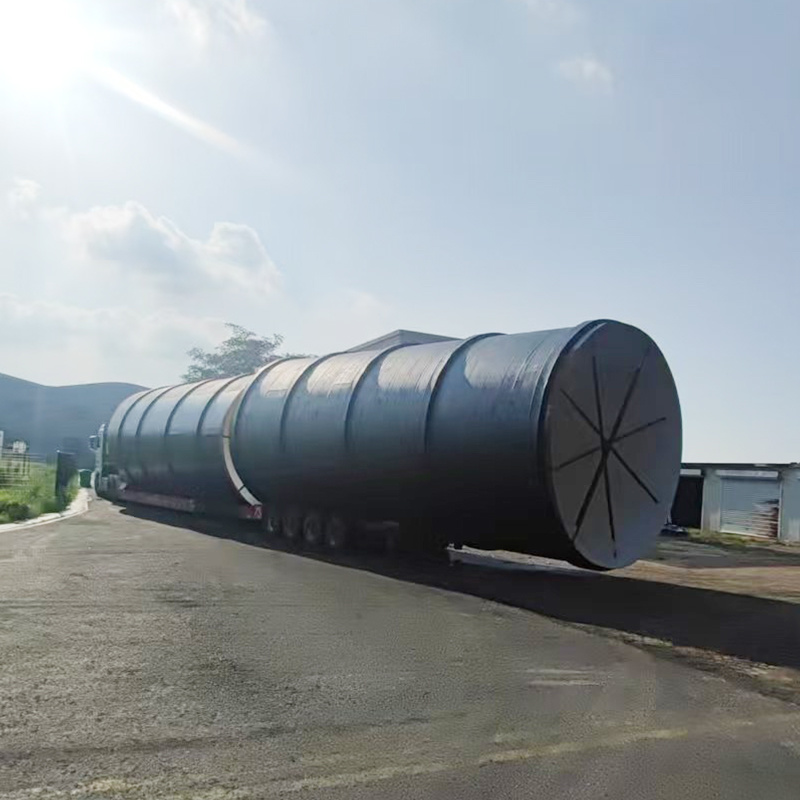
How Insulated Steel Pipes Enhance Refrigeration Efficiency
Table of Contents
- 1. Introduction to Insulated Steel Pipes
- 2. The Importance of Refrigeration Efficiency
- 3. The Science Behind Insulation
- 4. Types of Insulated Steel Pipes
- 5. Benefits of Using Insulated Steel Pipes
- 6. Applications in Various Industries
- 7. Installation and Maintenance Best Practices
- 8. Frequently Asked Questions
- 9. Conclusion
1. Introduction to Insulated Steel Pipes
In the realm of refrigeration, **insulated steel pipes** play a critical role in enhancing system efficiency. By minimizing thermal loss, these pipes ensure that cooling systems operate effectively, thereby conserving energy and reducing operational costs. Understanding the attributes and advantages of insulated steel pipes can significantly influence the performance of refrigeration systems across various sectors.
2. The Importance of Refrigeration Efficiency
Refrigeration efficiency is paramount in numerous industries, from food preservation to chemical processing. An efficient refrigeration system maintains temperature consistency, which is crucial for product quality and safety. Furthermore, high efficiency translates to lower energy consumption, making it an environmentally friendly choice. The integration of insulated steel pipes directly contributes to this efficiency by reducing heat transfer and maintaining optimal internal temperatures.
3. The Science Behind Insulation
The effectiveness of insulated steel pipes lies in their ability to slow down heat transfer. Insulation materials, such as polyurethane, fiberglass, or foam, create a barrier that minimizes thermal conductivity. The science of thermodynamics dictates that heat naturally flows from warmer areas to cooler ones. Insulated steel pipes counteract this tendency by maintaining the cold temperature within the pipes, thereby enhancing the refrigeration process.
3.1 Thermal Conductivity and Its Impact
Thermal conductivity measures a material's ability to conduct heat. Insulated materials with low thermal conductivity are optimal for refrigeration applications. The lower the thermal conductivity, the less heat is transferred, resulting in improved energy efficiency.
3.2 The Role of Insulation Thickness
The thickness of insulation significantly influences its effectiveness. Thicker insulation provides a better barrier against heat transfer, which is vital for long-distance refrigeration piping. Industries must consider insulation thickness based on the specific application and environmental conditions to achieve maximum efficiency.
4. Types of Insulated Steel Pipes
When choosing insulated steel pipes for refrigeration systems, various types are available based on material composition and insulation method. Understanding these options helps in making informed decisions.
4.1 Pre-Insulated Steel Pipes
Pre-insulated steel pipes come with insulation already applied, offering convenience and quick installation. They are commonly used in district heating and cooling systems, as well as industrial refrigeration applications.
4.2 Pipe-in-Pipe Systems
In this design, one pipe is housed within another, with insulation filling the gap. This system not only reduces heat loss but also provides protection against external environmental conditions.
4.3 Insulated Jacketed Pipes
These pipes feature a protective jacket made of steel or plastic, which houses the insulation. They are particularly durable and suited for high-pressure applications, ensuring longevity while maintaining thermal efficiency.
5. Benefits of Using Insulated Steel Pipes
The use of insulated steel pipes in refrigeration systems presents numerous advantages:
5.1 Enhanced Energy Efficiency
As insulated pipes minimize heat loss, refrigeration systems require less energy to maintain desired temperatures, translating to lower electricity bills and reduced carbon footprints.
5.2 Improved Product Quality
By maintaining consistent temperatures, insulated steel pipes help prevent spoilage and degradation of sensitive products, particularly in the food and pharmaceutical industries.
5.3 Reduced Maintenance Costs
With less thermal loss, there's a lower likelihood of condensation and ice formation. This reduces the risk of corrosion and damage, leading to decreased maintenance costs over time.
5.4 Versatility in Applications
Insulated steel pipes are adaptable and can be employed in various environments, from industrial plants to commercial refrigeration systems, making them a flexible choice for many applications.
6. Applications in Various Industries
The versatility of insulated steel pipes extends across multiple sectors, enhancing refrigeration efficiency in numerous applications:
6.1 Food and Beverage Industry
Efficient refrigeration is vital for preserving the quality and safety of food products. Insulated steel pipes ensure that cold storage facilities maintain consistent temperatures, reducing spoilage rates.
6.2 Pharmaceutical Industry
Many pharmaceuticals require strict temperature control. Insulated steel pipes help maintain these environments, ensuring product efficacy and compliance with regulatory standards.
6.3 Chemical Processing
In chemical processing, maintaining specific temperatures is crucial for reaction efficiency. Insulated steel pipes aid in stabilizing these temperatures, enhancing overall process efficiency.
7. Installation and Maintenance Best Practices
Proper installation and maintenance of insulated steel pipes are essential for maximizing their benefits:
7.1 Installation Guidelines
- Ensure that the pipes are installed in a manner that prevents sagging and bending, which can lead to insulation failure.
- Utilize appropriate seals and fittings to prevent air leaks and maintain thermal integrity.
- Follow manufacturer guidelines regarding the installation of insulation materials and pipe supports.
7.2 Regular Maintenance Practices
- Conduct routine inspections to detect any signs of wear or damage to the insulation.
- Ensure that the drainage systems for condensate are functioning correctly to prevent moisture accumulation.
- Regularly clean the exterior of insulated pipes to prevent corrosion and prolong lifespan.
8. Frequently Asked Questions
8.1 What are insulated steel pipes made of?
Insulated steel pipes typically consist of a steel core with an insulating material such as polyurethane or fiberglass surrounding it to minimize thermal loss.
8.2 How do insulated steel pipes reduce energy costs?
By preventing heat transfer, insulated steel pipes ensure that refrigeration systems operate more efficiently, requiring less energy to maintain desired temperatures.
8.3 Are insulated steel pipes suitable for outdoor use?
Yes, insulated steel pipes are designed to withstand various environmental conditions, making them suitable for both indoor and outdoor applications.
8.4 How do I know if my insulated pipes are installed correctly?
Correct installation involves ensuring that there are no gaps in insulation, that pipes are properly supported, and that all fittings are secure to prevent any air leaks.
8.5 What maintenance is required for insulated steel pipes?
Regular inspections for damage, ensuring proper drainage of condensate, and routine cleaning to prevent corrosion are essential maintenance tasks for insulated steel pipes.
9. Conclusion
In conclusion, **insulated steel pipes** are a vital component in enhancing refrigeration efficiency across various industries. Their ability to minimize thermal loss, improve energy efficiency, and maintain product quality makes them a smart investment for businesses seeking to optimize their refrigeration systems. Understanding the types, benefits, and maintenance practices associated with insulated steel pipes ensures that organizations can leverage their advantages to achieve operational excellence. By adopting insulated steel pipes, industries can look forward to enhanced performance, reduced costs, and improved sustainability in their refrigeration processes.
TAG:
Related Posts

Understanding Plastic-Coated Steel Pipes for Efficient Sewage Systems







Address
Wuliyao Industrial Zone, Yanshan County, Cangzhou City, Hebei Province, China