
Understanding 3PE Steel Pipes: Essential Components for Oilfield Pipelines
Mar 18,2026

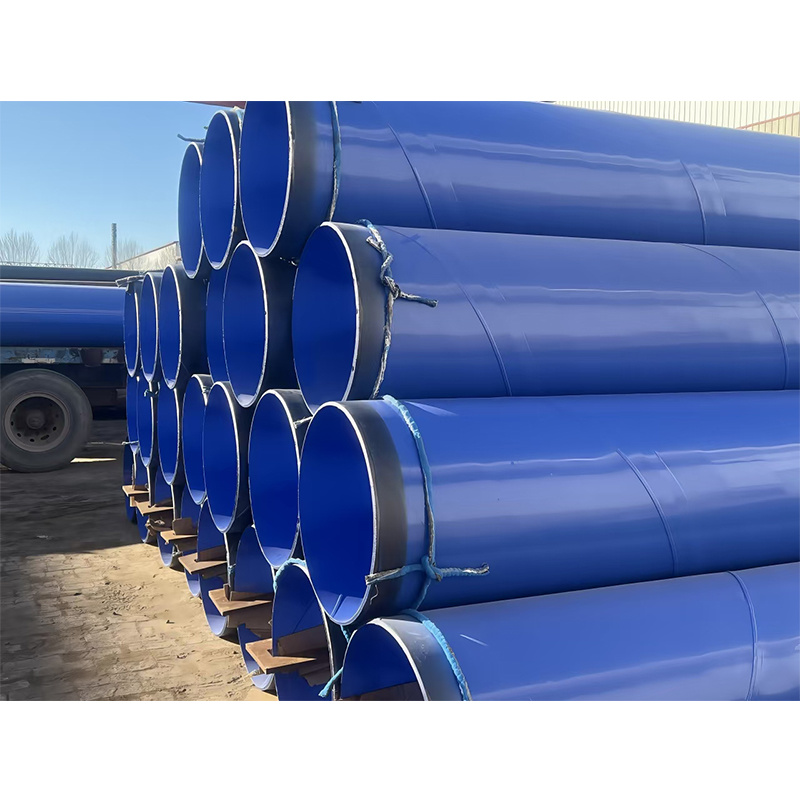
One of the primary advantages of 3PE steel pipes is their superior corrosion resistance. In oilfields, pipelines are often exposed to moisture, chemicals, and other corrosive substances that can lead to significant degradation over time. The 3PE coating effectively seals the steel surface, preventing corrosive agents from undermining the material's integrity. As a result, these pipes reduce the risk of leaks and failures, which can have catastrophic consequences in oilfield operations.
Moreover, 3PE steel pipes offer excellent mechanical strength, making them suitable for high-pressure applications commonly found in oil and gas transportation. The robust nature of these pipes ensures they can withstand harsh working conditions, including temperature fluctuations and physical stress. This reliability is vital for maintaining uninterrupted operations and minimizing maintenance costs.
Another noteworthy aspect of 3PE steel pipes is their ease of installation. The lightweight nature of the coated pipes simplifies handling, transportation, and installation, allowing for streamlined project timelines. This efficiency is particularly beneficial in remote oilfield locations, where logistical challenges can hinder development.
Environmental considerations are also increasingly important in the oil and gas sector. The use of 3PE steel pipes aligns with efforts to minimize ecological impact. Their durability leads to fewer repairs and replacements, which, in turn, reduces waste and resource consumption over the lifecycle of the pipeline.
In summary, 3PE steel pipes are indispensable in constructing effective and reliable oilfield pipelines. Their corrosion resistance, mechanical strength, ease of installation, and environmental benefits make them a preferred choice for industry professionals. Understanding the significance of these components can help stakeholders in the oil and gas sector make informed decisions, ultimately contributing to safer and more efficient operations.
Incorporating 3PE steel pipes into pipeline projects not only enhances performance but also supports sustainable practices within the industry, marking a step toward more responsible resource management in the oilfield sector.
TAG:
Related Posts

Understanding Plastic-Coated Steel Pipes for Efficient Sewage Systems







Address
Wuliyao Industrial Zone, Yanshan County, Cangzhou City, Hebei Province, China