
Comparing 3PE Steel Pipes and PVC: What Works Best for Water Transmission?
Mar 21,2026
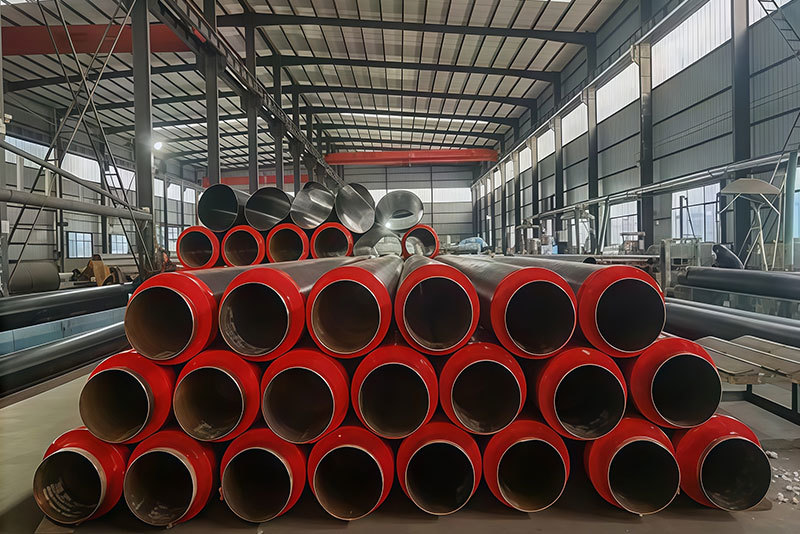
Comparing 3PE Steel Pipes and PVC: What Works Best for Water Transmission?
Table of Contents
- Introduction to Water Transmission
- Understanding 3PE Steel Pipes and PVC
- What are 3PE Steel Pipes?
- What are PVC Pipes?
- Key Comparisons Between 3PE Steel Pipes and PVC
- Real-World Case Studies
- Frequently Asked Questions
- Conclusion
Introduction to Water Transmission
Water transmission is a critical infrastructure element that ensures the delivery of water from its source to consumers. The choice of piping material plays a vital role in determining the efficiency, reliability, and cost-effectiveness of water transmission systems. In this article, we will explore two popular piping materials—3PE steel pipes and PVC—to ascertain which is best suited for water transmission.
Understanding 3PE Steel Pipes and PVC
To make an informed decision about the best material for water transmission, it's essential to understand the characteristics and properties of both 3PE steel pipes and PVC.
What are 3PE Steel Pipes?
3PE (Three-Layer Polyethylene) steel pipes are a type of steel pipe that features a protective three-layer coating. This coating typically consists of an epoxy layer, a middle adhesive layer, and an outer polyethylene layer designed to enhance corrosion resistance and durability.
Benefits of 3PE Steel Pipes
3PE steel pipes offer several advantages:
- **High Strength:** Steel provides superior strength, making it suitable for high-pressure applications.
- **Corrosion Resistance:** The three-layer coating effectively prevents corrosion, extending the lifespan of the pipe.
- **Temperature Resistance:** 3PE steel pipes can withstand high temperatures, making them ideal for various environments.
- **Versatile Applications:** They are suitable for a range of applications, including potable water, oil, and gas transmission.
Applications of 3PE Steel Pipes
3PE steel pipes are widely used in:
- Municipal water supply systems
- Oil and gas pipelines
- Industrial water systems
- Infrastructure projects requiring reliable and durable piping solutions
What are PVC Pipes?
PVC (Polyvinyl Chloride) pipes are plastic pipes made from a synthetic polymer. They are lightweight, durable and resistant to corrosion and chemical damage.
Benefits of PVC Pipes
PVC pipes have several key advantages:
- **Lightweight and Easy to Handle:** Their lightweight nature simplifies transportation and installation.
- **Corrosion Resistance:** PVC is not susceptible to rust, making it suitable for various environments.
- **Cost-Effective:** PVC pipes are generally less expensive than metal alternatives.
- **Versatile Applications:** They can be used in residential, commercial, and industrial applications.
Applications of PVC Pipes
PVC pipes find extensive use in:
- Residential plumbing systems
- Irrigation systems
- Drainage and sewage systems
- Industrial applications in chemical processing
Key Comparisons Between 3PE Steel Pipes and PVC
When choosing between 3PE steel pipes and PVC for water transmission, several key factors should be considered.
Durability and Lifespan
3PE steel pipes are known for their strength and longevity, often lasting over 50 years under proper conditions. In contrast, PVC pipes typically have a lifespan of 25 to 40 years. The robust nature of steel makes it ideal for high-pressure environments, while PVC's lightweight design and ease of handling make it popular for less demanding applications.
Corrosion Resistance
While both materials offer resistance to corrosion, 3PE steel pipes excel in this area due to their protective coating. PVC is inherently resistant to corrosion from chemicals and moisture but may not hold up as well under extreme pressure or temperature changes, where steel would perform better.
Cost-Effectiveness
From a financial perspective, PVC pipes generally have a lower upfront cost compared to 3PE steel pipes, making them attractive for budget-conscious projects. However, when considering the total cost of ownership, including installation, maintenance, and lifespan, 3PE steel pipes may provide better value in the long run for high-stress applications.
Installation Process
The installation of PVC pipes is typically faster and less labor-intensive due to their lightweight nature. 3PE steel pipes, while robust, require more extensive installation techniques, such as welding and specialized equipment, which can increase installation costs and time.
Real-World Case Studies
To better understand the practical applications of both materials, let’s look at two case studies highlighting their performance in real-world scenarios.
**Case Study 1: Municipal Water Supply with 3PE Steel Pipes**
In a major city project, engineers opted for 3PE steel pipes to upgrade the municipal water supply. The decision was based on the need for high-pressure resistance and long-term durability. Post-installation assessments showed a significant reduction in leaks and maintenance issues over the years.
**Case Study 2: Residential Plumbing with PVC Pipes**
In a suburban development, PVC pipes were chosen for the plumbing system due to budget constraints and the ease of installation. While the system performed well initially, some homeowners reported issues with pipe degradation after 15 years, leading to replacement and higher long-term costs.
Frequently Asked Questions
1. Are 3PE steel pipes more expensive than PVC?
Yes, 3PE steel pipes generally have a higher upfront cost compared to PVC pipes, but they may offer better long-term value in high-pressure applications.
2. How long do PVC pipes last?
PVC pipes typically last between 25 to 40 years, depending on environmental conditions and usage.
3. Can both materials be used for potable water?
Yes, both 3PE steel pipes and PVC pipes can be used for potable water transmission, but local regulations may dictate specific materials for safety.
4. What are the environmental impacts of 3PE steel vs. PVC?
Both materials have environmental considerations; 3PE steel pipes can be recycled, while PVC pipes pose challenges in recycling and can release harmful chemicals during production.
5. Which material is better for high-pressure applications?
3PE steel pipes are generally better suited for high-pressure applications due to their strength and durability.
Conclusion
Ultimately, the choice between 3PE steel pipes and PVC for water transmission depends on various factors, including the specific requirements of the project, budget, and anticipated longevity of the piping system. While 3PE steel pipes offer superior strength and corrosion resistance, PVC pipes provide a cost-effective and lightweight alternative for less demanding applications. By considering the key comparisons and real-world applications outlined in this article, we hope you can make an informed decision for your water transmission needs.
TAG:
Related Posts

Understanding Plastic-Coated Steel Pipes for Efficient Sewage Systems







Address
Wuliyao Industrial Zone, Yanshan County, Cangzhou City, Hebei Province, China