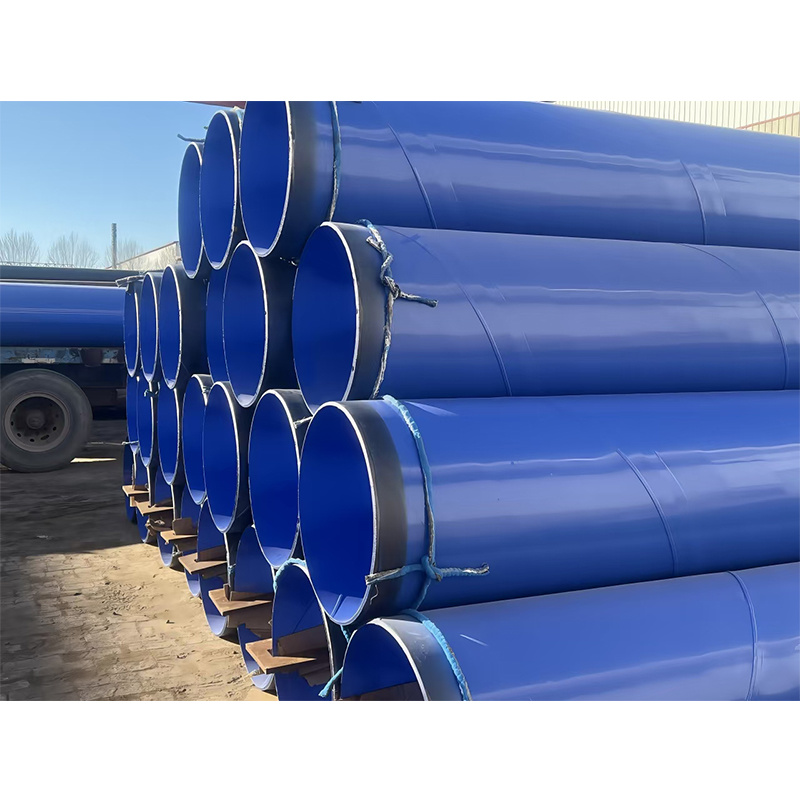
The Benefits of Heat Insulated Steel Pipes in Construction
Mar 31,2025
Heat insulated steel pipes are a critical component in modern construction and building projects. Their design primarily focuses on minimizing heat loss and maintaining temperature control in various applications, making them invaluable in both residential and commercial settings. These pipes are commonly utilized in heating systems, hot water transportation, and industrial processes where maintai
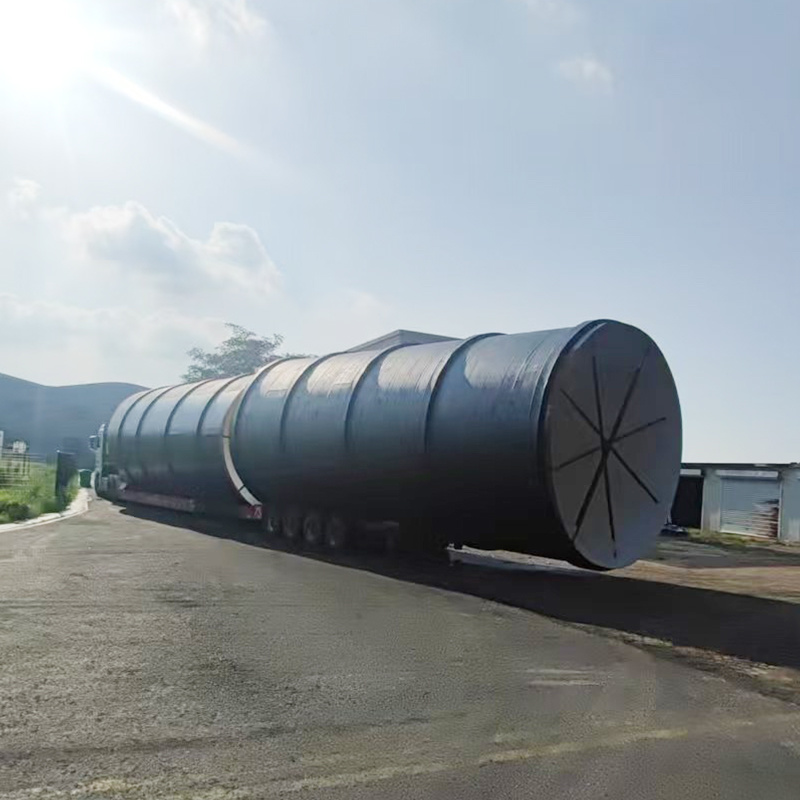
Heat insulated steel pipes are a critical component in modern construction and building projects. Their design primarily focuses on minimizing heat loss and maintaining temperature control in various applications, making them invaluable in both residential and commercial settings. These pipes are commonly utilized in heating systems, hot water transportation, and industrial processes where maintaining specific temperature ranges is essential.
One of the primary advantages of heat insulated steel pipes is their ability to significantly reduce thermal conductivity. By incorporating insulation materials, such as polyurethane or fiberglass, these pipes effectively minimize heat transfer, ensuring that the temperature of the fluids inside remains stable. This reduced heat loss not only enhances energy efficiency but also contributes to lower operational costs over time. In an era where energy conservation is paramount, utilizing heat insulated steel pipes can lead to substantial savings on heating bills and a reduced carbon footprint.
Another important aspect of heat insulated steel pipes is their durability. Steel pipes are known for their strength and resistance to damage, making them suitable for a variety of environments. When combined with insulation, they provide a reliable solution that can withstand harsh conditions while maintaining their efficiency. This durability extends the lifespan of the piping system, reducing the frequency of replacements and maintenance, which is particularly beneficial for large-scale projects.
In addition to energy efficiency and durability, heat insulated steel pipes also contribute to safety in building environments. By controlling the temperature of the fluids within the pipes, the risk of burns or heat-related accidents is significantly lowered. This is particularly crucial in settings such as schools, hospitals, and industrial facilities where safety standards must be strictly adhered to.
Moreover, these pipes can help in meeting regulatory standards and green building certifications. As more countries enforce strict regulations on energy efficiency and sustainability, integrating heat insulated steel pipes into construction projects can assist builders and developers in achieving compliance while promoting eco-friendly practices.
In conclusion, heat insulated steel pipes are an essential element in contemporary construction, providing numerous benefits that enhance energy efficiency, safety, and sustainability. Their ability to minimize heat loss, coupled with their durability and contribution to safety, makes them a wise choice for builders and architects aiming for high-performance building solutions. As the demand for energy-efficient materials continues to grow, understanding the advantages of heat insulated steel pipes will enable stakeholders in the construction industry to make informed decisions that align with modern standards and expectations.
One of the primary advantages of heat insulated steel pipes is their ability to significantly reduce thermal conductivity. By incorporating insulation materials, such as polyurethane or fiberglass, these pipes effectively minimize heat transfer, ensuring that the temperature of the fluids inside remains stable. This reduced heat loss not only enhances energy efficiency but also contributes to lower operational costs over time. In an era where energy conservation is paramount, utilizing heat insulated steel pipes can lead to substantial savings on heating bills and a reduced carbon footprint.
Another important aspect of heat insulated steel pipes is their durability. Steel pipes are known for their strength and resistance to damage, making them suitable for a variety of environments. When combined with insulation, they provide a reliable solution that can withstand harsh conditions while maintaining their efficiency. This durability extends the lifespan of the piping system, reducing the frequency of replacements and maintenance, which is particularly beneficial for large-scale projects.
In addition to energy efficiency and durability, heat insulated steel pipes also contribute to safety in building environments. By controlling the temperature of the fluids within the pipes, the risk of burns or heat-related accidents is significantly lowered. This is particularly crucial in settings such as schools, hospitals, and industrial facilities where safety standards must be strictly adhered to.
Moreover, these pipes can help in meeting regulatory standards and green building certifications. As more countries enforce strict regulations on energy efficiency and sustainability, integrating heat insulated steel pipes into construction projects can assist builders and developers in achieving compliance while promoting eco-friendly practices.
In conclusion, heat insulated steel pipes are an essential element in contemporary construction, providing numerous benefits that enhance energy efficiency, safety, and sustainability. Their ability to minimize heat loss, coupled with their durability and contribution to safety, makes them a wise choice for builders and architects aiming for high-performance building solutions. As the demand for energy-efficient materials continues to grow, understanding the advantages of heat insulated steel pipes will enable stakeholders in the construction industry to make informed decisions that align with modern standards and expectations.
TAG:
Related Posts
Understanding Plastic-Coated Steel Pipes for Efficient Sewage Systems
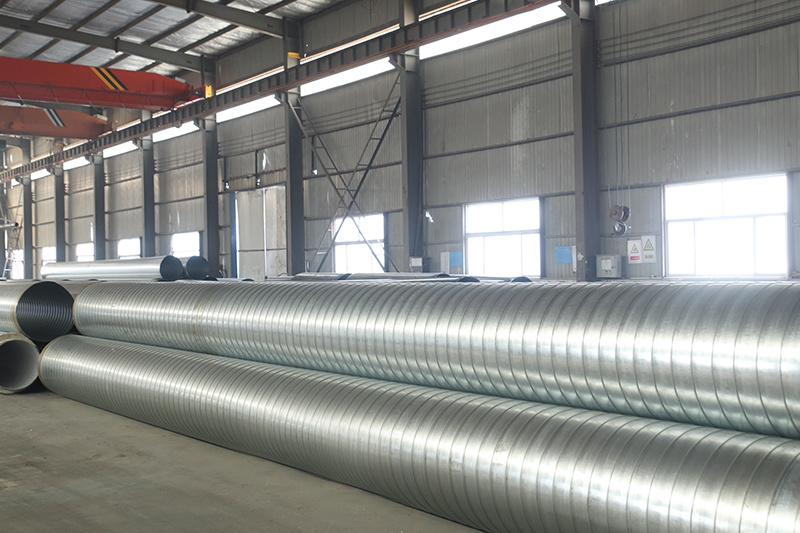
Plastic-coated steel pipes have gained significant attention in the construction industry, particularly in the context of sewage systems. These pipes combine the inherent strength of steel with the protective qualities of plastic, making them an excellent choice for various applications in building and decorating materials.
One of the primary advantages of using plastic-coated steel pipes in sewag