
Why Insulated Steel Pipes are Essential for Cold Water Systems
Apr 01,2025
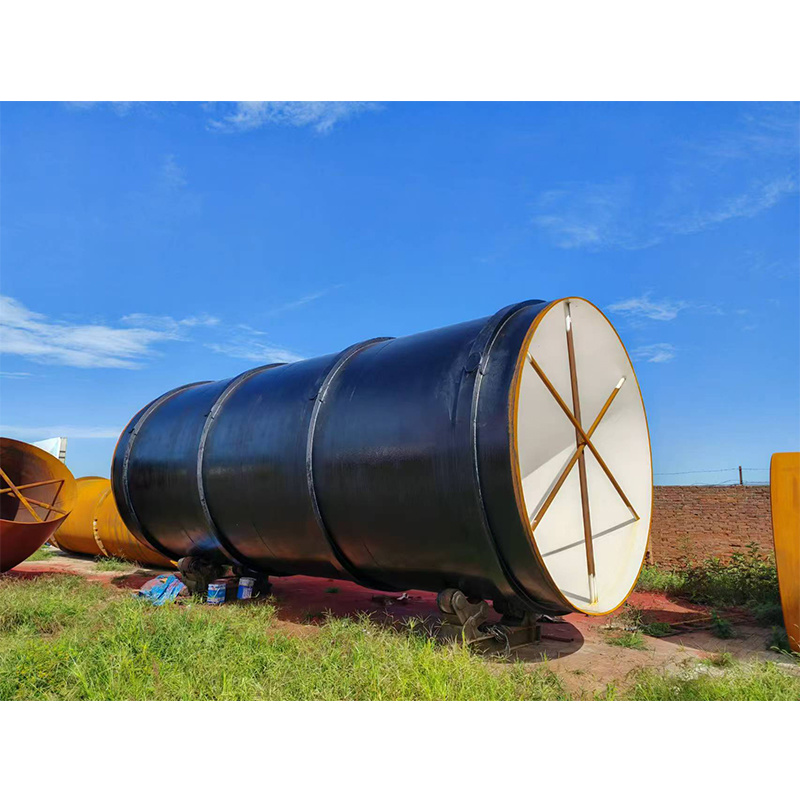
Why Insulated Steel Pipes are Essential for Cold Water Systems
Table of Contents
- 1. Introduction to Insulated Steel Pipes
- 2. Importance of Insulated Steel Pipes in Cold Water Systems
- 3. Benefits of Using Insulated Steel Pipes
- 4. Applications of Insulated Steel Pipes
- 5. Material Properties of Steel and Insulation
- 6. Installation Considerations for Insulated Steel Pipes
- 7. Maintenance of Insulated Steel Pipes
- 8. Common Issues and Solutions
- 9. Conclusion
- 10. Frequently Asked Questions (FAQs)
1. Introduction to Insulated Steel Pipes
Insulated steel pipes are a pivotal component in the construction and plumbing industries, particularly when it comes to cold water systems. These pipes combine the strength of steel with thermal insulation to prevent heat transfer, ensuring that water remains at its intended temperature. As we delve deeper into the significance of insulated steel pipes, we will explore their various advantages, applications, and best practices for installation and maintenance.
2. Importance of Insulated Steel Pipes in Cold Water Systems
The use of insulated steel pipes in cold water systems serves multiple essential functions:
2.1 Temperature Control
One of the primary reasons for utilizing insulated steel pipes is their capacity to maintain cold water temperatures. This is particularly critical in regions with high ambient temperatures, where uninsulated pipes can lead to temperature fluctuations that affect the overall efficiency of the system.
2.2 Energy Efficiency
Energy efficiency in plumbing systems can significantly reduce operational costs. Insulated pipes minimize the amount of energy required to maintain cold water temperatures, translating to lower energy bills and a reduced carbon footprint.
2.3 Condensation Prevention
In cold water systems, condensation can be a significant issue. Insulated pipes help to prevent moisture buildup on the exterior of the pipes, protecting structural elements and minimizing the risk of mold and mildew, which can be damaging to both health and property.
3. Benefits of Using Insulated Steel Pipes
The advantages of incorporating insulated steel pipes into cold water systems extend beyond mere temperature control.
3.1 Durability
Steel is renowned for its strength and durability. Insulated steel pipes can withstand high pressures and harsh environmental conditions, making them a reliable choice for various applications, from residential buildings to industrial facilities.
3.2 Longevity
With proper installation and maintenance, insulated steel pipes can last for decades, reducing the need for frequent replacements and repairs. This longevity contributes to a sustainable approach to construction and infrastructure.
3.3 Cost-Effectiveness
While the initial investment in insulated steel pipes may be higher than traditional materials, the long-term savings in energy costs and maintenance make them a financially sound choice.
4. Applications of Insulated Steel Pipes
Insulated steel pipes find their application in various settings, demonstrating versatility and efficiency.
4.1 Residential Plumbing
In homes, insulated steel pipes are often used for cold water supply lines. Their ability to maintain consistent temperatures ensures that households have access to cold water without the risk of condensation damage.
4.2 Commercial Buildings
In commercial settings, these pipes are essential for systems that require a steady supply of cold water, such as refrigeration systems, HVAC systems, and food processing facilities.
4.3 Industrial Applications
Industries such as manufacturing and chemical processing rely on insulated steel pipes for transporting cold fluids. The insulation minimizes thermal loss, essential for maintaining product integrity.
5. Material Properties of Steel and Insulation
Understanding the properties of steel and the insulation material used in insulated steel pipes is crucial for appreciating their benefits.
5.1 Steel Properties
Steel is a robust material known for its tensile strength, corrosion resistance, and durability. When used in piping, it provides a solid structure that can endure significant stress.
5.2 Insulation Materials
Typically, insulation materials such as polyurethane or fiberglass are used in conjunction with steel to prevent heat transfer. These materials are selected for their thermal resistance and moisture barrier capabilities, enhancing the overall performance of the pipes.
6. Installation Considerations for Insulated Steel Pipes
Proper installation of insulated steel pipes is crucial to maximizing their benefits.
6.1 Pre-Installation Assessment
Before installation, it is imperative to assess the environment where the pipes will be laid. Factors such as ambient temperature, humidity levels, and potential exposure to external elements must be considered.
6.2 Installation Techniques
Using the right installation techniques is vital for ensuring the integrity of insulated steel pipes. This includes securing the pipes properly, ensuring that insulation is intact, and avoiding any punctures or tears in the insulation material.
6.3 Joint Sealing
Sealing joints is essential in preventing leaks and maintaining system efficiency. Appropriate sealing materials and methods should be used to ensure a tight fit.
7. Maintenance of Insulated Steel Pipes
Routine maintenance can extend the life of insulated steel pipes and ensure optimal performance.
7.1 Regular Inspections
Conducting regular inspections of insulated steel pipes can help identify potential issues before they escalate. Look for signs of corrosion, insulation degradation, or leaks.
7.2 Cleaning
Keeping the pipes clean and free from debris can prevent blockages and ensure uninterrupted flow. It is crucial to use cleaning solutions that are safe for steel and do not damage the insulation.
7.3 Professional Maintenance
Hiring professionals for maintenance tasks can ensure that all procedures are performed correctly, prolonging the lifespan of insulated pipes.
8. Common Issues and Solutions
Despite their durability, insulated steel pipes can encounter certain issues.
8.1 Corrosion
Corrosion can occur due to exposure to moisture, especially if the insulation is compromised. Regular inspections and the use of protective coatings can mitigate this risk.
8.2 Insulation Damage
Physical damage to insulation can lead to thermal bridging, where heat transfer occurs. Ensuring that insulation is properly installed and regularly checked can help avoid this problem.
8.3 Leakage
Leaks can develop at joints or due to corrosion. Prompt repairs and proper sealing techniques can prevent leaks from becoming larger issues.
9. Conclusion
Insulated steel pipes are an invaluable asset in cold water systems, offering a multitude of benefits ranging from energy efficiency to durability. Their ability to maintain optimal temperatures while preventing condensation and protecting structural integrity underscores their necessity in residential, commercial, and industrial applications. By understanding the importance of insulated steel pipes, along with proper installation and maintenance practices, stakeholders can ensure that their cold water systems operate efficiently, ultimately saving time and resources.
10. Frequently Asked Questions (FAQs)
10.1 What are insulated steel pipes made of?
Insulated steel pipes are made of steel and wrapped with insulation materials, such as polyurethane or fiberglass, designed to reduce heat transfer.
10.2 How do insulated pipes improve energy efficiency?
By minimizing heat transfer, insulated pipes require less energy to maintain desired temperatures, thereby reducing operational costs.
10.3 Are insulated steel pipes suitable for hot water systems?
While insulated steel pipes are primarily used for cold water systems, they can also be used for hot water systems, provided they are properly insulated to prevent heat loss.
10.4 How often should insulated pipes be inspected?
It is advisable to inspect insulated pipes at least once a year or more frequently in environments prone to moisture or temperature fluctuations.
10.5 Can insulation be repaired if damaged?
Yes, insulation can be repaired or replaced if damaged. It is essential to address any insulation issues promptly to maintain pipe performance and prevent future problems.
TAG:
Related Posts

Understanding Plastic-Coated Steel Pipes for Efficient Sewage Systems







Address
Wuliyao Industrial Zone, Yanshan County, Cangzhou City, Hebei Province, China