Understanding the Benefits and Applications of 3-Layer Polyethylene Steel Pipe
Apr 02,2025
3-layer polyethylene steel pipe is a cutting-edge product that combines the strength of steel with the protective properties of polyethylene. This innovative pipe design typically consists of a steel core surrounded by layers of polyethylene, offering a robust solution for various applications in the construction industry. The manufacture of this type of pipe is guided by rigorous standards, ensur
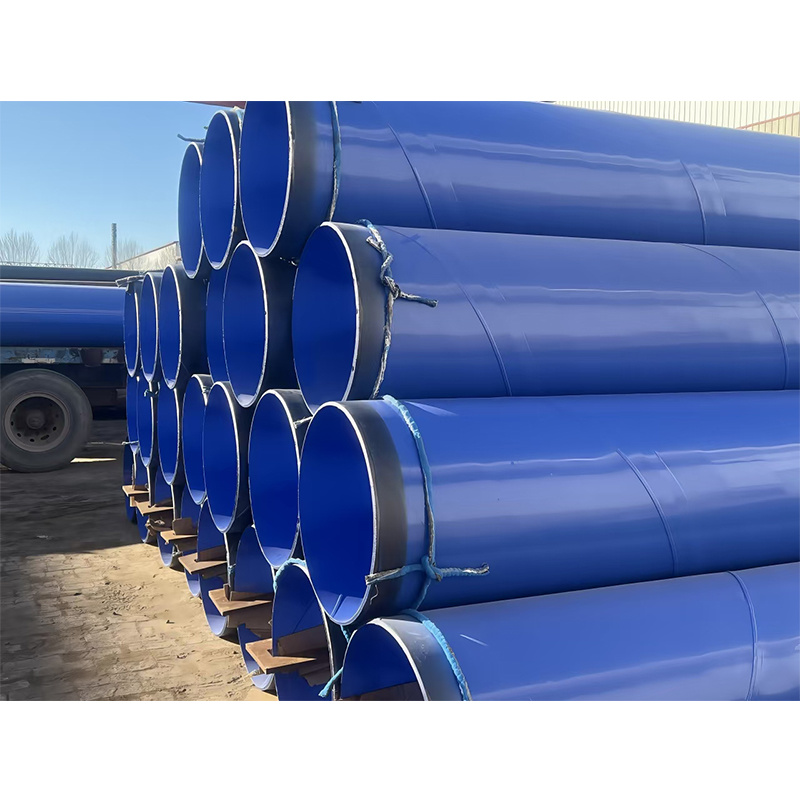
3-layer polyethylene steel pipe is a cutting-edge product that combines the strength of steel with the protective properties of polyethylene. This innovative pipe design typically consists of a steel core surrounded by layers of polyethylene, offering a robust solution for various applications in the construction industry. The manufacture of this type of pipe is guided by rigorous standards, ensuring that the final product is not only durable but also reliable for long-term use.
One of the primary benefits of a 3-layer polyethylene steel pipe is its outstanding resistance to corrosion. The outer polyethylene layer acts as a protective barrier against moisture and other corrosive elements, significantly extending the lifespan of the pipe. This is particularly advantageous in environments where traditional steel pipes would quickly degrade, such as underground installations or areas with high humidity.
Additionally, the multi-layered construction provides excellent thermal insulation. This feature is crucial for maintaining the temperature of fluids transported through the pipes, minimizing heat loss or gain during transit. As a result, these pipes are commonly used in applications involving hot water supply systems, heating, and cooling systems, where maintaining a consistent temperature is vital.
The lightweight nature of 3-layer polyethylene steel pipes also simplifies transportation and installation. Compared to traditional steel pipes, these pipes are easier to handle, reducing labor costs and time associated with installation. Furthermore, their flexibility allows for greater adaptability in various construction designs, making them suitable for both residential and commercial projects.
In terms of longevity, the durability provided by the steel core and polyethylene layers ensures that these pipes can withstand high pressures and mechanical stresses. This resilience makes them ideal for use in critical infrastructure projects, such as water distribution systems, sewage systems, and industrial applications where reliability is paramount.
Moreover, the environmental aspect of 3-layer polyethylene steel pipes should not be overlooked. The use of recyclable materials in their production contributes to sustainability goals, which is increasingly important in today's eco-conscious market. As more industries seek to reduce their carbon footprint, the demand for such environmentally friendly construction materials is likely to rise.
In conclusion, the 3-layer polyethylene steel pipe presents a remarkable fusion of strength, durability, and versatility, making it an excellent choice for a wide range of applications in the construction sector. Its resistance to corrosion, thermal insulation properties, and ease of installation underscore its value in modern building practices. Understanding these features will enable you to make informed decisions when selecting piping solutions for your next construction project.
One of the primary benefits of a 3-layer polyethylene steel pipe is its outstanding resistance to corrosion. The outer polyethylene layer acts as a protective barrier against moisture and other corrosive elements, significantly extending the lifespan of the pipe. This is particularly advantageous in environments where traditional steel pipes would quickly degrade, such as underground installations or areas with high humidity.
Additionally, the multi-layered construction provides excellent thermal insulation. This feature is crucial for maintaining the temperature of fluids transported through the pipes, minimizing heat loss or gain during transit. As a result, these pipes are commonly used in applications involving hot water supply systems, heating, and cooling systems, where maintaining a consistent temperature is vital.
The lightweight nature of 3-layer polyethylene steel pipes also simplifies transportation and installation. Compared to traditional steel pipes, these pipes are easier to handle, reducing labor costs and time associated with installation. Furthermore, their flexibility allows for greater adaptability in various construction designs, making them suitable for both residential and commercial projects.
In terms of longevity, the durability provided by the steel core and polyethylene layers ensures that these pipes can withstand high pressures and mechanical stresses. This resilience makes them ideal for use in critical infrastructure projects, such as water distribution systems, sewage systems, and industrial applications where reliability is paramount.
Moreover, the environmental aspect of 3-layer polyethylene steel pipes should not be overlooked. The use of recyclable materials in their production contributes to sustainability goals, which is increasingly important in today's eco-conscious market. As more industries seek to reduce their carbon footprint, the demand for such environmentally friendly construction materials is likely to rise.
In conclusion, the 3-layer polyethylene steel pipe presents a remarkable fusion of strength, durability, and versatility, making it an excellent choice for a wide range of applications in the construction sector. Its resistance to corrosion, thermal insulation properties, and ease of installation underscore its value in modern building practices. Understanding these features will enable you to make informed decisions when selecting piping solutions for your next construction project.
TAG:
Related Posts
Understanding Plastic-Coated Steel Pipes for Efficient Sewage Systems
Plastic-coated steel pipes have gained significant attention in the construction industry, particularly in the context of sewage systems. These pipes combine the inherent strength of steel with the protective qualities of plastic, making them an excellent choice for various applications in building and decorating materials.
One of the primary advantages of using plastic-coated steel pipes in sewag