
The Crucial Role of Thermal Insulation in Steel Pipes for Cryogenic Applications
Sep 18,2025
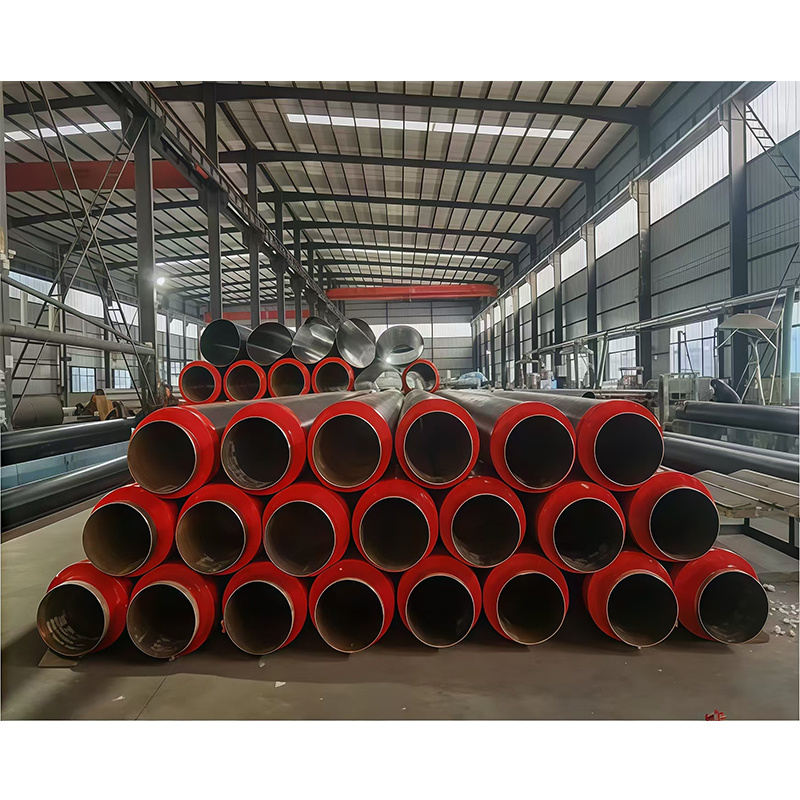
The Crucial Role of Thermal Insulation in Steel Pipes for Cryogenic Applications
In the dynamic world of construction and industrial applications, the importance of thermal insulation in steel pipes, particularly for cryogenic use, cannot be overstated. Whether in the transportation of liquefied gases or in refrigeration systems, effective thermal insulation ensures that operations remain efficient, safe, and cost-effective. This article delves into the multifaceted benefits of thermal insulation, the types of insulation available, and best practices for implementation.
Table of Contents
- Understanding Cryogenic Conditions and Applications
- Why Thermal Insulation is Critical for Steel Pipes
- Types of Thermal Insulation Materials for Cryogenic Use
- Benefits of Effective Thermal Insulation
- Application Methods and Best Practices
- Common Challenges in Thermal Insulation and Solutions
- Case Studies and Industry Examples
- Conclusion
- FAQs
Understanding Cryogenic Conditions and Applications
Cryogenic conditions refer to the temperature range below -150°C (-238°F) where gases such as nitrogen, oxygen, and natural gas become liquid. These substances play vital roles across various sectors including aerospace, healthcare, and food processing. In these applications, steel pipes serve as conduits for transporting cryogenic fluids, making their thermal management essential.
The management of thermal conditions in cryogenic applications is crucial not only for operational efficiency but also for safety. Inadequate thermal insulation can lead to heat transfer, causing harmful conditions such as phase changes or expansion, which may result in pressure build-up and potential hazards.
Why Thermal Insulation is Critical for Steel Pipes
The need for thermal insulation in steel pipes used in cryogenic applications stems from several key factors:
Preventing Heat Transfer
Without effective thermal insulation, heat from the environment can infiltrate cryogenic systems, raising temperatures and causing liquids to vaporize. This can lead to increased pressure and potential ruptures.
Enhancing Efficiency
Well-insulated systems require less energy to maintain cryogenic temperatures, leading to reduced operational costs. Enhanced efficiency translates into less energy consumption, making the overall operation more sustainable.
Ensuring Safety and Compliance
Proper thermal insulation is crucial for maintaining safety standards and regulatory compliance. For industries dealing with hazardous substances, adhering to safety protocols is a non-negotiable requirement.
Types of Thermal Insulation Materials for Cryogenic Use
When it comes to selecting the right thermal insulation materials for steel pipes in cryogenic applications, several options are available:
Polyurethane Foam
Polyurethane foam is widely used for its excellent thermal resistance and lightweight properties. It is effective in reducing heat transfer and is easy to install.
Glass Wool
Glass wool is another popular choice due to its high thermal performance and fire resistance. It is particularly effective in applications that require both thermal and sound insulation.
Cellular Glass
This material is known for its exceptional resistance to moisture and chemical damage. Cellular glass is ideal for extreme cryogenic conditions, offering superior thermal insulation and durability.
Vacuum Insulation
For the most demanding applications, vacuum insulation provides unparalleled thermal resistance by creating a vacuum between two layers of material, minimizing heat transfer.
Benefits of Effective Thermal Insulation
The advantages of employing high-quality thermal insulation in cryogenic steel pipes extend beyond mere performance:
Cost Savings
By enhancing energy efficiency, effective thermal insulation can lead to significant cost reductions in energy consumption over time.
Extended Equipment Lifespan
Proper insulation helps reduce thermal stress, thereby prolonging the lifespan of equipment and reducing the frequency of maintenance and repairs.
Environmental Responsibility
Minimizing energy use also contributes to lower carbon emissions, aligning with global sustainability goals.
Application Methods and Best Practices
Implementing thermal insulation correctly is essential for maximizing its effectiveness. Here are some best practices:
Surface Preparation
Ensure that all surfaces are clean and free from contaminants before applying insulation. Proper surface preparation enhances adhesion and insulation performance.
Layering Insulation
Applying multiple layers of insulation can improve thermal performance. Each layer should be tightly fitted and secure to avoid gaps where heat could escape.
Regular Inspections
Conducting regular inspections of insulated pipes can identify any signs of wear or damage, ensuring timely maintenance and repairs.
Common Challenges in Thermal Insulation and Solutions
Implementing thermal insulation is not without its challenges. Here are some common issues and their solutions:
Moisture Infiltration
Moisture can severely impact insulation performance. To combat this, ensure the use of moisture-resistant materials and sealing methods.
Temperature Fluctuations
Rapid temperature changes can stress insulation materials. Selecting materials with high thermal stability can mitigate this issue.
Installation Errors
Improper installation can lead to gaps and inefficiencies. Investing in professional installation services can help ensure that insulation is applied correctly.
Case Studies and Industry Examples
Implementing effective thermal insulation in various industries has yielded notable results:
Aerospace Industry
In the aerospace sector, companies have reported significant operational efficiency gains by insulating cryogenic fuel lines, which has improved performance during launches.
Healthcare Sector
Hospitals utilizing cryogenics for medical applications, such as preserving biological samples, have seen reduced energy costs and enhanced safety measures through proper insulation.
Food Processing
Food processors employing cryogenic freezing techniques have benefited from increased product quality and reduced energy consumption by utilizing advanced insulation technologies.
Conclusion
In conclusion, the significance of thermal insulation in steel pipes for cryogenic applications is multifaceted, impacting safety, efficiency, and operational costs. By understanding the unique properties of various insulation materials and implementing best practices, industries can harness the full potential of cryogenic technologies. As businesses strive for sustainability and efficiency, investing in high-quality thermal insulation becomes not just beneficial but essential.
FAQs
What is cryogenic insulation?
Cryogenic insulation is specialized thermal insulation designed to minimize heat transfer in applications involving extremely low temperatures.
Why is thermal insulation important in cryogenic systems?
Thermal insulation prevents heat transfer, enhances efficiency, ensures safety, and helps maintain compliance with industry regulations.
What materials are best for thermal insulation of cryogenic pipes?
Common materials include polyurethane foam, glass wool, cellular glass, and vacuum insulation, each offering unique benefits.
How do I maintain thermal insulation in cryogenic applications?
Regular inspections for damage, ensuring moisture resistance, and proper installation are key to maintaining effective thermal insulation.
Can thermal insulation reduce energy costs?
Yes, effective thermal insulation reduces the energy required to maintain cryogenic temperatures, leading to significant cost savings over time.
TAG:
Related Posts
The Advantages of 3PE Fusion Bonded Epoxy Steel Pipe in Construction







Address
Wuliyao Industrial Zone, Yanshan County, Cangzhou City, Hebei Province, China