
Why 3PE Steel Pipes Are Essential for Underground Pipelines
Dec 23,2025
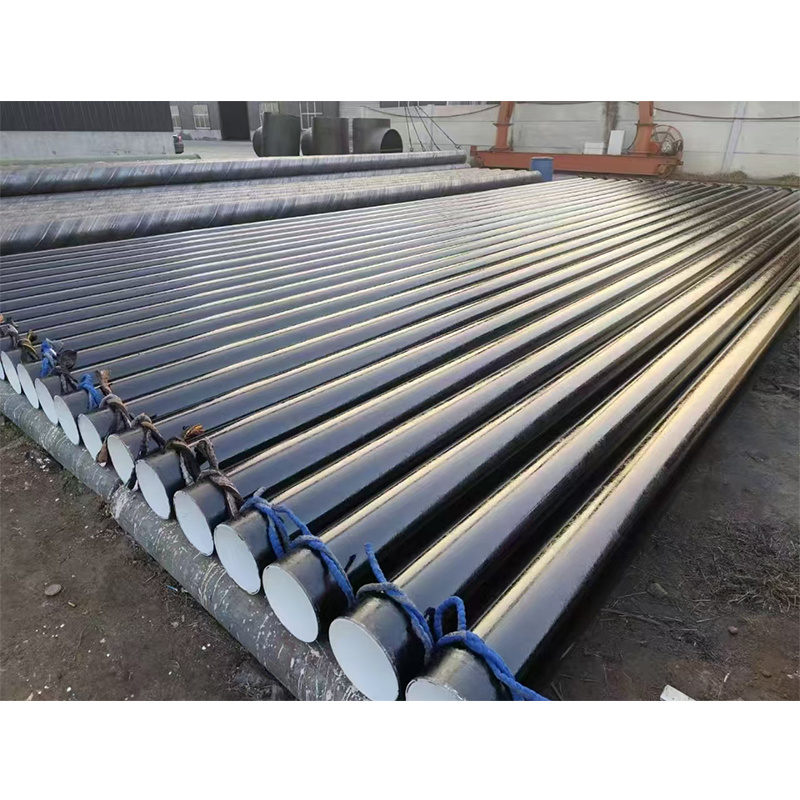
Understanding the Importance of 3PE Steel Pipes for Underground Pipelines
In the realm of construction and infrastructure, the selection of materials for underground pipelines is crucial. Among the leading choices, **3PE steel pipes** stand out for their exceptional properties and performance. This article delves into why 3PE steel pipes are essential for underground pipelines, highlighting their advantages, applications, and the technology behind their design.
What Are 3PE Steel Pipes?
3PE steel pipes, or **three-layer polyethylene coated pipes**, are specially designed pipes used primarily for transporting water, gas, and other fluids underground. The "3PE" refers to the three layers of protective coating that enhance the steel pipe's resistance to corrosion and mechanical damage. The layers typically consist of:
1. **Fusible Polyethylene (PE)**: The inner layer that adheres to the steel surface, providing a smooth transit for fluids.
2. **Adhesive Layer**: This serves to bond the polyethylene to the steel, ensuring a strong and durable connection.
3. **Outer Polyethylene Layer**: This protective layer shields the pipe from environmental elements, physical impacts, and UV radiation.
This sophisticated structure offers unparalleled performance, making 3PE pipes a preferred choice in various underground applications.
The Advantages of Using 3PE Steel Pipes
When it comes to underground pipelines, using 3PE steel pipes provides several critical advantages:
1. Enhanced Corrosion Resistance
One of the most significant benefits of 3PE steel pipes is their exceptional resistance to corrosion. The polyethylene coating effectively protects the steel from moisture and corrosive soil conditions, thereby extending the life of the pipeline significantly.
2. Durability and Strength
3PE steel pipes are designed to withstand high pressures and extreme temperatures. Their robust construction allows them to endure the stresses associated with underground installations, reducing the risk of leaks and failures.
3. Cost-Effectiveness
Although the initial investment in 3PE steel pipes may be higher than traditional pipes, their longevity and reduced maintenance needs lead to lower long-term costs. By minimizing repairs and replacements, these pipes provide a financially savvy solution for pipeline projects.
4. Lightweight Design
The lightweight nature of 3PE steel pipes simplifies the installation process. Reduced weight means lower transportation costs and easier handling on site, which can accelerate project timelines and improve overall efficiency.
5. Environmentally Friendly
3PE technology supports sustainable practices. The longevity and durability of these pipes reduce waste and the need for frequent replacements, making them an eco-friendly choice for underground infrastructure.
Applications of 3PE Steel Pipes in Underground Infrastructure
3PE steel pipes are versatile and suitable for various applications in underground infrastructure:
1. Water Supply Systems
In municipal and industrial water supply systems, 3PE pipes are employed to transport potable water safely. Their corrosion resistance ensures that the water remains uncontaminated throughout its journey.
2. Gas Distribution Networks
Natural gas pipelines rely heavily on the use of 3PE steel pipes for their durability and safety. The coating ensures that there are no leaks, thus safeguarding both the environment and the population.
3. Wastewater Management
For wastewater systems, 3PE pipes provide a reliable solution. Their resistance to both corrosion and hydrostatic pressure makes them ideal for carrying wastewater without risk of damage.
4. Industrial and Chemical Pipeline Systems
In industries where aggressive chemicals are transported, 3PE steel pipes offer the necessary protection against corrosive elements, ensuring safe and efficient operations.
5. Telecommunications Infrastructure
In telecommunications, 3PE pipes are used for the protection of fiber optic cables and other sensitive equipment, ensuring they remain intact and operational underground.
Technical Specifications of 3PE Steel Pipes
Comprehending the technical specifications of 3PE steel pipes is essential for making informed decisions in pipeline projects.
1. Size and Diameter
3PE steel pipes are available in various sizes, catering to different flow requirements and installation scenarios. Typical diameters range from small (for residential piping) to large (for municipal applications).
2. Pressure Ratings
These pipes are manufactured to handle different pressure ratings, ensuring they can accommodate the specific needs of the application without risk of failure.
3. Coating Thickness
The thickness of the polyethylene coating can vary based on application requirements. Thicker coatings provide enhanced protection, while thinner options may be suitable for less demanding environments.
4. Installation Standards
3PE steel pipes must comply with industry standards, such as ASTM, ISO, and API, ensuring they meet stringent safety and quality benchmarks.
Best Practices for Installing 3PE Steel Pipes
Proper installation is vital for maximizing the benefits of 3PE steel pipes. Here are key best practices to follow:
1. Site Assessment
Before installation, conduct a thorough site assessment to identify environmental conditions, soil types, and potential obstacles. This information will guide installation techniques.
2. Trenching Techniques
Use appropriate trenching methods to minimize disruption and protect the integrity of the pipeline. Ensure that trenches are deep enough to prevent frost penetration and other environmental impacts.
3. Pipe Alignment
Ensure that the pipes are correctly aligned and securely connected. Proper alignment helps to prevent stress points that could lead to leaks or failures.
4. Backfilling Procedures
Backfill the trench carefully, using suitable materials to protect the pipe. Avoid large rocks or debris that could compromise the pipe's integrity.
5. Regular Inspections
After installation, implement a routine inspection schedule to monitor the condition of the pipes. Early identification of potential issues can prevent costly repairs in the future.
FAQs About 3PE Steel Pipes
1. What is the lifespan of 3PE steel pipes?
The lifespan of 3PE steel pipes can exceed 50 years when installed correctly and maintained properly, thanks to their corrosion-resistant properties.
2. Can 3PE steel pipes be used in all soil types?
Yes, 3PE steel pipes are versatile and can be used in various soil types, including corrosive soils, due to their protective coating.
3. Are 3PE steel pipes more expensive than traditional pipes?
While the initial cost may be higher, the long-term savings from reduced maintenance and extended lifespan make 3PE steel pipes a cost-effective choice.
4. How do I choose the right diameter for my project?
Selecting the appropriate diameter depends on the flow requirements and the specific application. Consulting with an engineer can help determine the best size for your needs.
5. How are 3PE steel pipes installed?
3PE steel pipes are installed using standard trenching techniques, ensuring proper alignment and secure connections before backfilling to protect the pipeline.
Conclusion
3PE steel pipes are not just a choice; they are a necessity for underground pipelines in today’s infrastructure landscape. With their superior corrosion resistance, durability, and environmental benefits, these pipes deliver safety and efficiency for various applications. Understanding their advantages and adhering to best practices during installation can lead to sustainable and cost-effective pipeline solutions. As industry standards evolve, 3PE steel pipes will continue to play a pivotal role in shaping the future of underground construction and infrastructure development.
TAG:
Related Posts

Understanding Plastic-Coated Steel Pipes for Efficient Sewage Systems







Address
Wuliyao Industrial Zone, Yanshan County, Cangzhou City, Hebei Province, China